
Things To Do Before Moving Into A New House

Moving into a new house can be both exciting and overwhelming. To ensure a smooth transition and a comfortable settling-in process, here are some essential things to do before moving into a new house:

Change locks and security codes: For your peace of mind, replace the locks on all exterior doors and change any security codes for alarm systems. You never know who might have a copy of the old keys or codes.

Deep clean the house: Before unpacking your belongings, give the house a thorough cleaning. Scrub floors, wipe down surfaces, clean appliances, and wash the windows. This will make the space feel fresh and welcoming.

Paint and do minor repairs: If you plan to paint the walls or do any minor repairs, it’s easier to do so before moving in. This way, you won’t have to move furniture around or worry about protecting your belongings.

Set up utilities and services: Contact utility companies to ensure water, electricity, gas, and internet services are set up and ready before moving in. Also, schedule service providers like cable, internet, and telephone. Click Here

Measure and plan furniture placement: Measure the rooms and doorways to ensure your furniture will fit through them. Create a layout plan to know where each piece will go, making the unpacking process more efficient.

Change your address and notify important parties: Update your address with the post office, banks, credit card companies, insurance providers, and any other important organizations or subscriptions.

Update driver’s license and vehicle registration: If you’re moving to a new city or state, update your driver’s license and vehicle registration accordingly.

Set up a forwarding address: Arrange for mail forwarding from your old address to your new one. This will ensure you don’t miss any important mail during the transition.

Inform family and friends: Let your loved ones know about your new address and contact information, so they can stay in touch and visit you in your new home.

Learn about the neighborhood: Research the local amenities, schools, medical facilities, and nearby recreational areas. Familiarize yourself with the neighborhood to make the transition smoother.

Celebrate the new beginning: Moving into a new house is a significant milestone. Take some time to celebrate with your family and friends and enjoy the excitement of your new home.

By following these steps, you’ll be well-prepared and can enjoy the process of settling into your new home with ease.

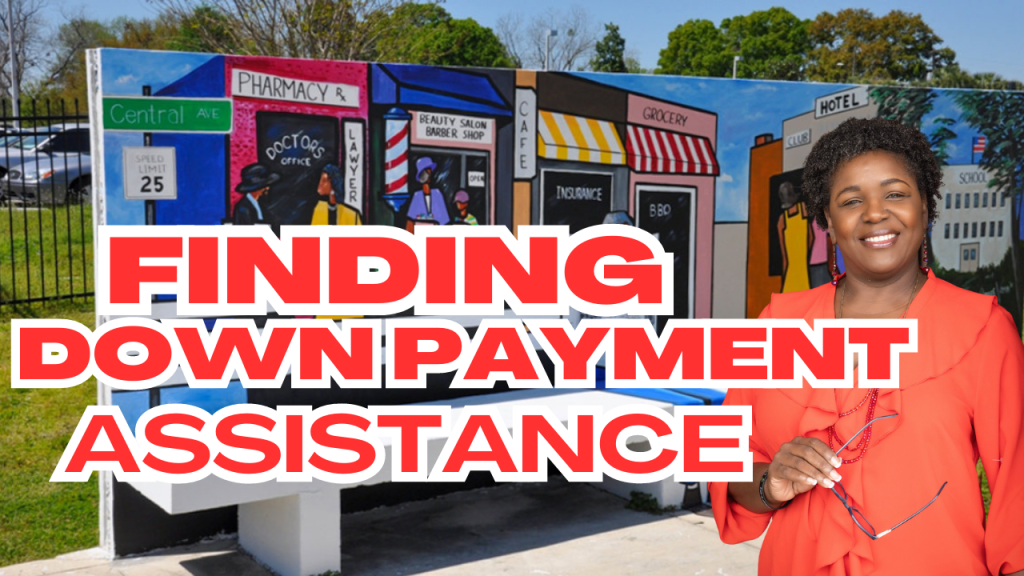
Finding Down Payment Assistance

Finding down payment assistance to buy your first house can be a great way to overcome the financial hurdle of saving for a down payment. Here are some steps to help you find down payment assistance programs:

  • Research Local Programs: Start by researching down payment assistance programs available in your city, county, or state. Many government agencies, nonprofits, and housing authorities offer such programs to help first-time homebuyers.
  • HUD’s Website: The U.S. Department of Housing and Urban Development (HUD) provides information about various homeownership assistance programs on their website. Check out their resources to find programs that may be available in your area.
  • State Housing Finance Agency: Many states have housing finance agencies that offer down payment assistance and other homebuyer assistance programs. Look for the website of your state’s housing finance agency to see what programs they offer.
  • Consult with Lenders: Speak with different mortgage lenders and ask about any down payment assistance programs they work with. Some lenders may have partnerships with local or state programs that can help you.
  • Nonprofit Organizations: Some nonprofit organizations, such as Habitat for Humanity, provide homeownership opportunities and assistance for first-time buyers. Look for local chapters or organizations that may offer such services.
  • Employer Programs: Some employers offer homebuyer assistance or down payment assistance programs as part of their benefits packages. Check with your HR department to see if such programs are available to you.
  • Attend Homebuyer Education Workshops: Some down payment assistance programs require homebuyer education courses. These workshops can also provide valuable information about the homebuying process and financial management.
  • Income and Eligibility Criteria: Keep in mind that down payment assistance programs often have specific income and eligibility criteria. Make sure to review the requirements of each program to see if you qualify.
  • Research Grants and Gifts: There are certain grants and gift programs that can be used for down payments. Some may be provided by family members or other sources, but be sure to check with your lender about the guidelines for using gifted funds.
  • Work with a Real Estate Agent: Enlist the help of a real estate agent who has experience working with first-time homebuyers and is familiar with local down payment assistance programs. They can guide you through the process and connect you with relevant resources.

Remember that down payment assistance programs can have varying terms and conditions, so it’s crucial to review the details of each program carefully. Additionally, some programs may have limited funding and availability, so it’s best to start your search early and be prepared to meet any application deadlines.

FIND DOWN PAYMENT ASSITANCE HERE

IF YOU LIVE IN THE TAMPA AREA FIND HOMEBUYER HELP HERE.

First time homebuyer registration

“The journey of a thousand miles begins with a single step”

Lao Tzu

How To Find Your Dream Home in a Competitive Market

Finding your dream home in a competitive real estate market can be challenging, but with the right approach and strategies, it is possible. Here are some tips to help you in your search:

  1. Define Your Priorities: Make a list of must-have features and preferences for your dream home. This will help you focus your search on properties that align with your needs.
  2. Get Pre-Approved for a Mortgage: Being pre-approved for a mortgage shows sellers that you are a serious buyer. It also gives you a clear idea of your budget, which can help you narrow down your options.
  3. Hire a Knowledgeable Real Estate Agent: A skilled real estate agent who knows the local market well can be an invaluable asset in a competitive market. They can provide insights, access to new listings, and negotiate on your behalf.
  4. Act Quickly: In a competitive market, desirable properties may sell quickly. Be prepared to act fast when you find a home that fits your criteria. Delaying could cost you the opportunity.
  5. Be Flexible: Consider being flexible with some of your preferences. While it’s essential to have your non-negotiables, being open to minor compromises can increase your chances of finding a home.
  6. Monitor New Listings Regularly: Stay on top of the market by regularly checking online listings and setting up alerts for new properties that match your criteria.
  7. Be Present During Showings: If possible, attend showings in person or through virtual tours. This allows you to get a feel for the property and make a quicker decision.
  8. Make a Competitive Offer: In a competitive market, you may need to make an offer close to the listing price or even above it to stand out from other potential buyers. Work with your real estate agent to come up with a compelling offer.
  9. Include an Escalation Clause: An escalation clause in your offer can automatically increase your bid if there are competing offers. This can help you stay competitive without overpaying.
  10. Be Patient: Finding the perfect home may take time, especially in a competitive market. Stay patient and positive throughout the process.

Remember that buying a home is a significant decision, and it’s essential to balance the excitement of finding your dream home with the practicalities of staying within your budget and making a sound investment. Work closely with your real estate agent, stay informed, and trust your instincts when the right property comes along.

Search for homes here

The Homebuyer Mentor

Can you really buy a house with No Money down?

It is highly unlikely to buy a house with absolutely no money out of pocket. Purchasing a house typically involves various expenses, such as down payments, closing costs, and fees associated with obtaining a mortgage loan. While there are certain programs and options available that can reduce the initial cash requirements, you will still need some funds to cover these costs.

Here are a few options that may help reduce your upfront expenses when buying a house:

  1. Down Payment Assistance Programs: Some government agencies, nonprofits, and local organizations offer down payment assistance programs to help homebuyers with low to moderate income. These programs provide grants or loans that can be used towards the down payment or closing costs.
  2. Low Down Payment Loans: Certain mortgage programs, such as FHA loans (backed by the Federal Housing Administration), allow for a lower down payment compared to conventional loans. FHA loans typically require a minimum down payment of 3.5% of the purchase price.
  3. Seller Concessions: In some cases, sellers may be willing to contribute towards the buyer’s closing costs. This can help reduce the amount of cash needed upfront.
  4. Gifted Funds: If you have family or friends willing to assist you, they may gift you the funds required for the down payment or closing costs. Lenders often have specific guidelines regarding gifted funds, so it’s important to consult with them for the specific requirements.
  5. USDA Loans: The United States Department of Agriculture (USDA) offers a loan program known as the USDA Rural Development Guaranteed Housing Loan Program. This program provides 100% financing to eligible borrowers in designated rural areas.
  6. VA Loans: The Department of Veterans Affairs (VA) offers VA loans exclusively to eligible veterans, active-duty service members, and surviving spouses. VA loans often require no down payment, allowing borrowers to finance 100% of the purchase price.

It’s important to note that while these options can help reduce your initial expenses, there may still be ongoing costs associated with homeownership, such as property taxes, insurance, and maintenance. It’s advisable to thoroughly research and understand all the costs involved before pursuing the purchase of a home. Consulting with a mortgage lender or a financial advisor can provide more specific guidance based on your circumstances.

Ready to buy

Understanding your loan options

Understanding your loan options when buying a house is crucial because it can significantly impact your financial situation and the overall cost of homeownership. Here are some common loan options you should be familiar with:

Conventional Loans: Conventional loans are not insured or guaranteed by the government. They typically require a higher credit score and a larger down payment compared to government-backed loans. Private lenders, such as banks and credit unions, offer conventional loans.

FHA (Federal Housing Administration) Loans: FHA loans are government-backed loans designed to help first-time homebuyers and those with lower credit scores. They require a lower down payment (usually as low as 3.5%) but have mortgage insurance premiums that borrowers must pay.

VA (Veterans Affairs) Loans: VA loans are available to eligible veterans, active-duty service members, and some surviving spouses. These loans are backed by the Department of Veterans Affairs and often offer favorable terms, including no down payment requirements

USDA (U.S. Department of Agriculture) Loans: USDA loans are intended for eligible low to moderate-income buyers in rural areas. They provide low-interest loans with zero down payment options.

Jumbo Loans: Jumbo loans are used when purchasing a high-value property that exceeds the conforming loan limits set by Fannie Mae and Freddie Mac. These loans usually have stricter qualification requirements and higher interest rates.

Fixed-Rate Mortgages: With a fixed-rate mortgage, your interest rate remains constant throughout the loan term, typically 15 or 30 years. This provides stability, as your monthly payments won’t change.

Adjustable-Rate Mortgages (ARMs): ARMs offer a lower initial interest rate for a fixed period, typically 5, 7, or 10 years. After the initial period, the interest rate adjusts periodically based on market conditions, potentially causing your payments to increase or decrease.

Interest-Only Loans: Interest-only loans allow borrowers to pay only the interest for a specified period (often the first few years), after which the loan converts to a standard mortgage, and you begin paying both principal and interest.

FHA 203(k) Loans: These loans are specifically designed for homebuyers looking to purchase a fixer-upper property. They provide funds for both the purchase and renovation costs in a single loan. More on FHA 203K

When choosing a loan option, consider factors such as your credit score, down payment capacity, future income projections, and long-term financial goals. It’s essential to shop around, compare offers from different lenders, and consult with a reputable mortgage broker or loan officer to find the best loan option that fits your needs and financial situation.

Get your free credit report here

Down payment assistance

Choosing your Real Estate Agent

🏡 Finding the perfect real estate agent can make all the difference in ensuring a smooth property transaction. Here are seven key factors to consider when making your choice:

1️⃣ Experience: Look for an agent with a proven track record in the real estate market. Their expertise and knowledge can guide you through the process.

2️⃣ Communication: Effective communication is essential. Choose an agent who listens to your needs, explains things clearly, and keeps you updated every step of the way.

3️⃣ Negotiation: A skilled negotiator can help you achieve the best deal. Find an agent who can confidently advocate for your interests and secure favorable terms.

4️⃣ Local Knowledge: An agent who knows the ins and outs of the local area can provide valuable insights on market trends, pricing, and amenities.

5️⃣ References: Positive references and testimonials from previous clients can give you peace of mind. Look for someone who has a strong reputation for professionalism and customer satisfaction.

6️⃣ Proactive and Responsive: Time is of the essence in real estate. Choose an agent who is proactive, prompt, and always available to answer your questions or address any concerns.

7️⃣ Trustworthiness: Trust and ethics are fundamental. Seek an agent who exhibits integrity, honesty, and transparency throughout the entire process.

Remember, selecting the right real estate agent is crucial, so take the time to evaluate these key factors. Your dream property awaits, and the right agent will help you turn it into a reality. 🌟

I am a licensed Realtor in Tampa FL and I am always happy to help you find your new home

www.thehomebuyermentor.com

Choosing a Lender

Choosing a lender is a crucial step when seeking a loan, mortgage, or any financial product that involves borrowing money. The lender you select can significantly impact your financial well-being, so it’s essential to make an informed decision. Here are some steps to help you choose the right lender:

Identify your needs: Determine what type of loan you require and the amount you need to borrow. Different lenders specialize in various types of loans, such as mortgages, personal loans, student loans, or business loans. Understanding your needs will narrow down the list of potential lenders.

Research and compare lenders: Look for reputable lenders in your area or those that operate online. Consider banks, credit unions, online lenders, and peer-to-peer lending platforms. Check their websites and read reviews from previous customers to gauge their reputation and customer service.

nterest rates and fees: Compare the interest rates offered by different lenders. Even a slight difference in interest rates can have a significant impact on the overall cost of the loan. Additionally, inquire about any application fees, origination fees, or other hidden charges that may apply.

Loan terms: Assess the loan terms offered by each lender. This includes the duration of the loan, repayment options, and any flexibility in case you encounter financial difficulties.

Customer service: Good customer service is vital, especially when dealing with financial matters. Try contacting the lenders and see how responsive and helpful they are in addressing your questions or concerns

Credibility and reputation: Choose a lender with a solid track record and positive reputation. Look for reviews, ratings, and testimonials to get an idea of their customer satisfaction levels.

Lender’s requirements and your eligibility: Some lenders may have strict eligibility criteria, such as minimum credit scores or income levels. Make sure you meet the lender’s requirements before applying to avoid unnecessary rejections that can harm your credit score.

Loan preapproval: Get preapproved for a loan from a few different lenders. Preapproval will give you a clear idea of the loan amount and interest rates you qualify for, allowing you to make an informed decision.

Ask for recommendations: Seek recommendations from friends, family, or financial advisors who have had positive experiences with lenders. They may provide valuable insights and lead you to a reliable lender.

Read the fine print: Before finalizing any loan agreement, carefully read and understand all terms and conditions. Pay attention to interest rate adjustments, prepayment penalties, and any clauses that could impact your financial situation.

Transparency and honesty: Choose a lender that communicates clearly, discloses all information upfront, and is honest about their offerings.

  1. Your gut feeling: Trust your instincts. If something doesn’t feel right about a lender or their practices, consider looking elsewhere.

Remember, choosing the right lender can save you money, provide better customer service, and make your borrowing experience more positive overall. Take your time, research thoroughly, and compare your options before making a decision.

click here to connect with our preferred Lender

How to be a smart homebuyer

How to be a smart homebuyer

Being a smart home buyer involves thorough research, careful planning, and informed decision-making. Here are some steps to help you become a smart home buyer:

Determine your budget: Before you start looking for a home, establish a clear budget that outlines how much you can afford to spend. Consider factors like down payment, closing costs, monthly mortgage payments, and ongoing expenses

Get pre-approved for a mortgage: Visit multiple lenders to get pre-approved for a mortgage. This process will help you understand how much you can borrow and provide a stronger position when making offers on homes

Identify your needs and wants: Make a list of your requirements and preferences for a home. Consider factors such as location, size, number of bedrooms and bathrooms, amenities, proximity to schools or workplaces, and any specific features you desire.

Research the housing market: Study the real estate market in the areas you are interested in. Look at property prices, market trends, and the availability of homes that meet your criteria. This information will help you make informed decisions and negotiate effectively

Work with a reliable real estate agent: Find a reputable real estate agent who is knowledgeable about the local market and has a good track record. They can guide you through the home buying process, provide valuable insights, and help you find suitable properties.

Visit open houses and conduct inspections: Attend open houses to get a sense of different properties. If you find a home you like, schedule a professional inspection to assess its condition thoroughly. This step can help you uncover any potential issues or hidden costs.

Evaluate the neighborhood: Research the neighborhood where the property is located. Consider factors such as safety, schools, amenities, proximity to essential services, and future development plans. It’s crucial to ensure the neighborhood aligns with your lifestyle and long-term goals.

Review the property’s history: Obtain information about the property’s history, including previous sales, renovations, and any legal or structural concerns. This data can help you make an informed decision and negotiate the best price.

Compare and negotiate: Once you have identified a few potential homes, compare their features, prices, and overall value. Don’t be afraid to negotiate with the seller, especially if you uncover any issues during the inspection or find comparable properties at lower prices.

Review the paperwork: Before finalizing the purchase, carefully review all the legal documents, contracts, and disclosures associated with the property. If necessary, consult with a real estate attorney to ensure your interests are protected.

Consider future resale value: Even if you plan to live in the home for an extended period, it’s wise to consider its potential resale value. Look for properties in desirable locations and with features that appeal to a broad range of buyers

Take your time: Avoid rushing into a decision. Take the time to thoroughly evaluate each property and weigh the pros and cons before making an offer.

Remember, being a smart home buyer involves making well-informed decisions based on research and careful consideration. By following these steps and seeking professional advice when needed, you can increase your chances of finding the right home at the right price

Find your dream home Now Here

#thehomebuyermentor #howtobeasmarthomebuyer

Let’s explore the benefits of owning a house versus renting one.

Are you torn between the decision of owning or renting a property? Let’s explore the benefits of owning a property versus renting one.

The age-old question of whether to rent or buy a home is a significant decision that everyone faces at some point in their lives. Both options come with their set of advantages and drawbacks, making the choice deeply personal and dependent on individual circumstances. In this blog post, we’ll explore the benefits and downsides of owning and renting to help you make an informed decision that aligns with your financial goals, lifestyle, and future aspirations.

Owning a Home: Pros:

  1. Investment and Equity: Homeownership builds equity, allowing you to accumulate wealth over time as your property appreciates in value.
  2. Stability and Freedom: Owning a home offers stability, knowing that you have a place to call your own. You can customize and renovate the property to your liking without landlord restrictions.
  3. Tax Benefits: Homeowners may enjoy tax deductions on mortgage interest and property taxes, potentially reducing their overall tax burden.
  4. Sense of Community: Owning a home often provides a stronger sense of belonging to a neighborhood and community.

Owning a property provides long-term financial stability as your monthly mortgage payments contribute towards building equity.

Additionally, you have the freedom to make any modifications or renovations to suit your preferences.

Renting :

.

  1. Flexibility: Renting offers flexibility, allowing you to easily relocate for work or personal reasons without the burden of selling a property.
  2. Lower Upfront Costs: Renters typically have lower upfront costs as they are not required to make a significant down payment, and some utilities or maintenance costs may be included in the rent.
  3. Less Financial Risk: Renters are shielded from the fluctuations of the housing market and are not responsible for property value depreciation.
  4. Landlord Maintenance: The responsibility for most maintenance and repair costs rests with the landlord, relieving the tenant of significant financial burdens.
  1. No Equity Building: Renting does not build equity, meaning you miss out on potential long-term wealth accumulation.
  2. Limited Customization: Renters have limited control over property customization and renovations due to lease agreements.
  3. Rising Rents: Rent prices may increase over time, affecting your budget and cost of living.

Consider your long-term goals and financial situation before making a decision.

Owning a property can be a wise investment, while renting provides flexibility. Both options have their own advantages, so choose wisely based on your needs and priorities.

If you need further guidance or have any questions, feel free to reach out.

Looking to buy a house? Start your search here

What are your thoughts on this topic? Share your experiences in the comments below!

#owningvsrenting #realestateinvestment

Call us today to discuss your options and make an informed decision.

www.thehomebuyermentor.com