Things to Do Before Closing on a House After a Hurricane

Hurricanes can significantly impact the home-buying process, especially if you are close to closing on your dream home. The aftermath of a storm requires special attention, even if the house you’re purchasing seems unaffected. Here’s a checklist of things to do before closing on a house after a hurricane

1. Schedule a Post-Hurricane Home Inspection

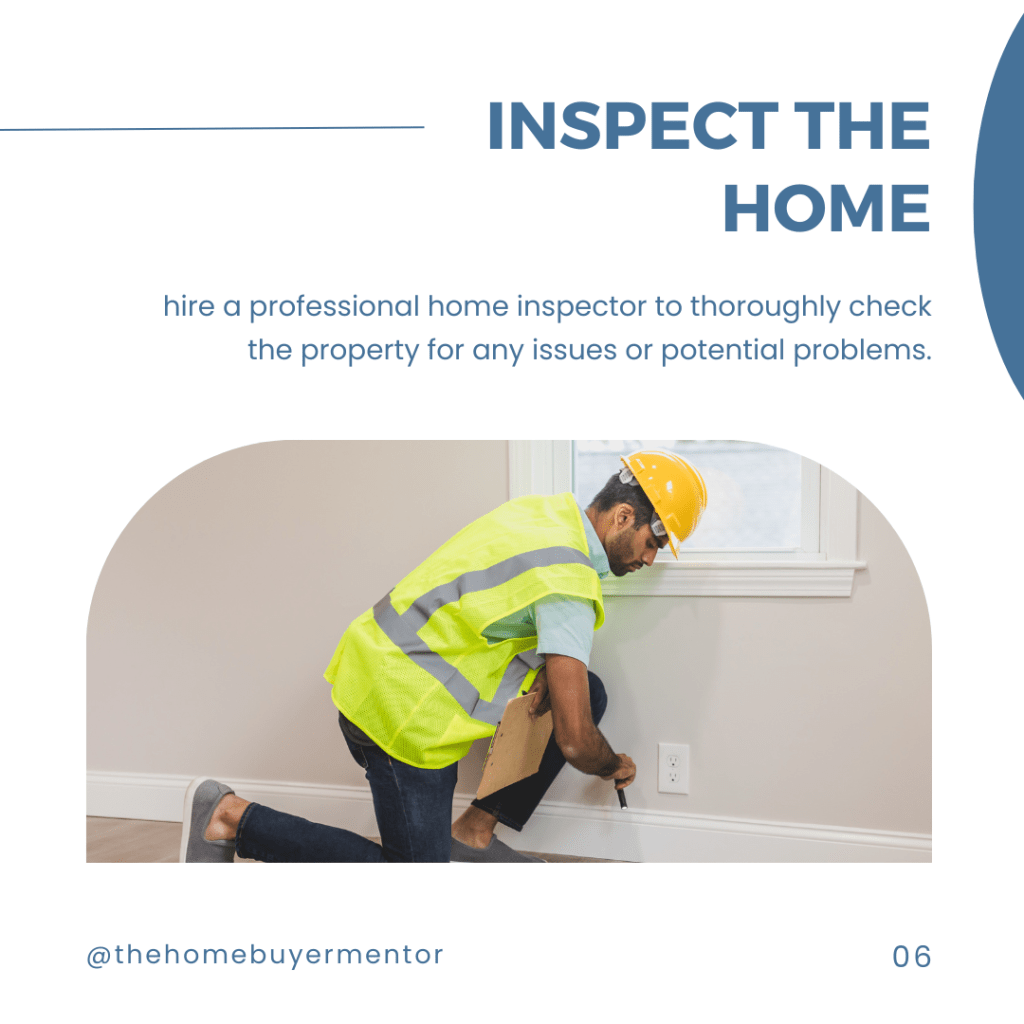
One of the most important things to do is schedule a thorough home inspection, even if the house already passed one before the hurricane hit. Hurricanes can cause structural damage, water intrusion, and electrical issues that might not be immediately visible. Ensure that your home inspector pays close attention to the roof, foundation, windows, and any areas prone to flooding.

2. Check for Flooding or Water Damage

Even homes outside of designated flood zones can be affected by heavy rains and storm surges during a hurricane. Walk through the house and property to look for signs of water damage, such as:

Mold or mildew smells If you notice any issues, you may need a mold inspection or further evaluations from contractors specializing in water damage.

Damp or soggy areas in the yard

Water stains on walls, floors, or ceilings

3: Get Updated Appraisal
A hurricane may affect the property’s value, especially if the home has sustained damage or the surrounding area has been impacted. Ask your lender if an updated appraisal is required. An updated appraisal will ensure that the home is still valued appropriately for your mortgage and can protect you from overpaying if the market value has changed post-hurricane

4 :Contact your Lender


Contact Your Lender and Insurance Provider: Inform your lender and insurance company about the hurricane and any potential impacts. You may need to update your insurance policy or provide proof of a new inspection to ensure the property remains insurable and qualifies for financing. Some lenders may require a reappraisal or property condition report. After a hurricane, banks and lenders might experience delays in processing loans or updating appraisals. Keep an open line of communication with your lender and plan for possible delays in closing. It’s better to be flexible with your timeline than to rush through the process and miss crucial steps.

5: Review the Seller’s Disclosures Again
After a hurricane, it’s a good idea to request an updated seller’s disclosure. Even if the home was not damaged during the storm, the seller may need to report any changes to the property’s condition. This could include repairs made after the hurricane or any new issues that arose.

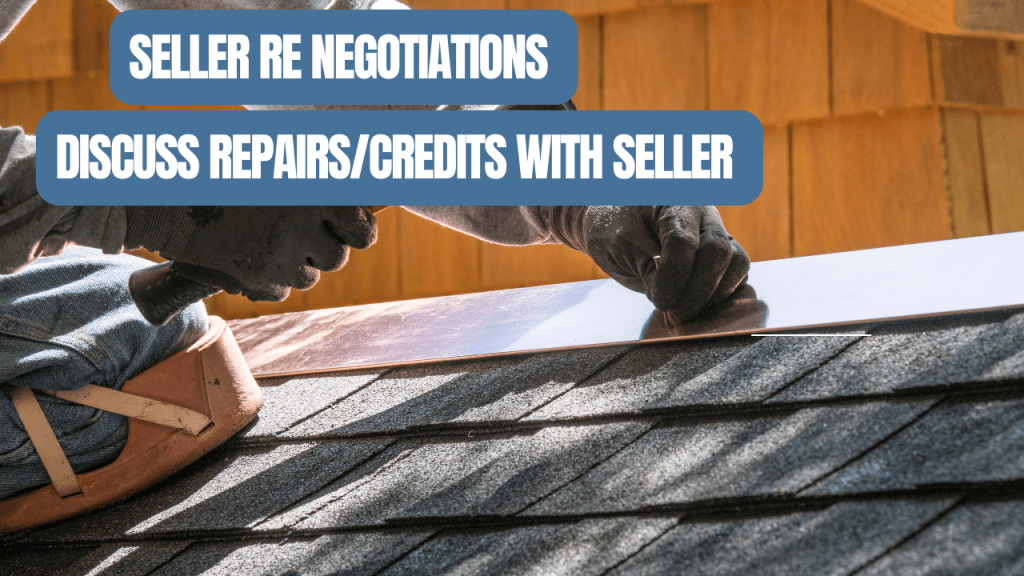
Discuss Any Necessary Repairs or Credits

If the home has been damaged during the hurricane, it’s crucial to negotiate repairs with the seller. This could involve:

  • Asking the seller to make repairs before closing
  • Negotiating a credit or reduction in the purchase price to account for the cost of repairs
  • Working out an escrow holdback, where funds are set aside at closing to cover repairs after the sale is complete

Be sure to document everything in writing and consult your real estate agent and attorney to ensure all agreements are formalized.

Conclusion

Closing on a home after a hurricane requires extra vigilance, but by taking the right precautions, you can ensure that your investment is protected. Make sure to conduct a thorough post-hurricane inspection, review your insurance coverage, and negotiate any necessary repairs. These steps will help you avoid costly surprises and close with confidence.

If you’re a first-time homebuyer and need more guidance, feel free to reach out for expert advice. Protect your home and investment, especially when unpredictable weather strikes!

The Homebuyer Mentor, Turning Renters Into Homeowner

9 Tips For First Time Homebuyers

Buying your first home is an exciting milestone, but it can also feel overwhelming if you’re not sure where to start. From budgeting to closing, here are 9 tips to guide you through the homebuying process:

1: Determine Your Budget

The first step to homeownership is understanding how much house you can afford. Consider your current income, debts, and monthly expenses. A good rule of thumb is to spend no more than 28% of your gross monthly income on housing costs. Use online mortgage calculators to get a sense of what your mortgage payment might be, including taxes and insurance.

2: Choose the Right Location

Where you live is just as important as the home you buy. Consider factors like proximity to work, schools, shopping, and public transportation. Look into neighborhood safety, amenities, and future development plans. The location of your home can also impact its value over time, so choose wisely.

3; Know Your Needs and Wants

Make a list of what you need in a home versus what you want. Needs could include the number of bedrooms, proximity to work, or having a yard. Wants might be things like a swimming pool, open floor plan, or a specific architectural style. Prioritize the essentials, but keep an eye out for homes that offer the extras too!

4. Get Pre-Approved for a Mortgage

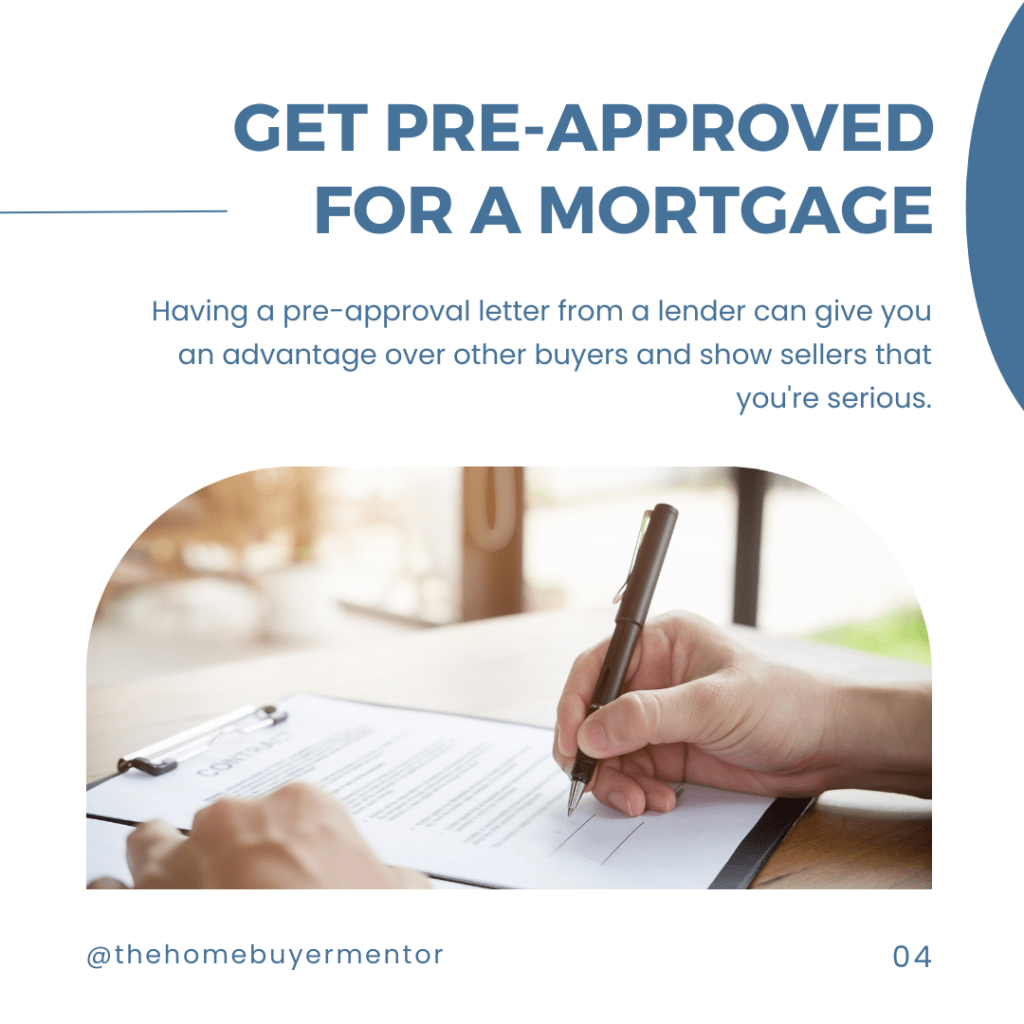
Before you start house hunting, get pre-approved for a mortgage. This process involves a lender reviewing your financials and giving you a clear idea of how much you can borrow. Having a pre-approval letter also strengthens your offer when you find the right home, as it shows sellers you are a serious buyer.

5: Hire a Real Estate Agent

A good real estate agent can be your greatest asset in the homebuying process. They have access to the latest listings, can negotiate on your behalf, and provide invaluable advice. Look for an agent who specializes in working with first-time homebuyers and understands your specific needs.

6. Get a Home Inspection

Never skip a home inspection. An inspection will reveal any hidden issues, such as structural damage, faulty wiring, or plumbing problems. While it might feel like an extra step, a thorough inspection can save you from costly repairs down the road.

7. Consider Resale Value

Even though you’re buying your first home, it’s wise to think about the future. Homes in desirable neighborhoods with good schools, access to amenities, and high walkability tend to hold or increase in value. Buying with resale value in mind ensures that your home is also a solid long-term investment.

8. Don’t Rush the Process

Buying a home is one of the biggest financial decisions you’ll make, so take your time. It’s easy to get swept up in the excitement of finding a home, but rushing can lead to costly mistakes. Carefully weigh your options and only move forward when you’re confident it’s the right choice.

9. Review the Contract Carefully

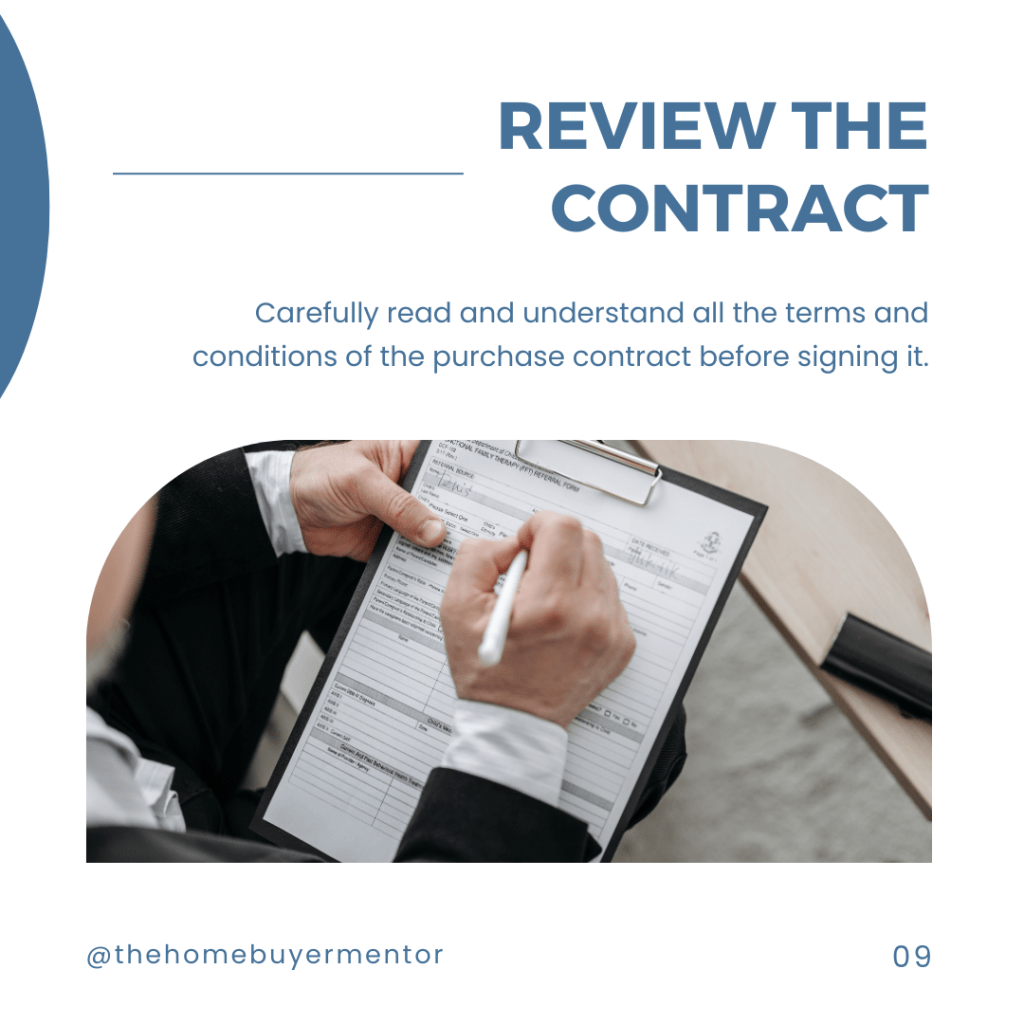
Once your offer is accepted, review the contract carefully. Ensure that everything you’ve agreed upon is in writing, including any repairs the seller has promised to make. If there’s anything in the contract you don’t understand, don’t hesitate to ask your agent or attorney for clarification.

By following these tips, you can navigate the homebuying process with confidence and set yourself up for success in your new home. Happy house hunting!

The Homebuyer Mentor, Turning Renters Into Homeowners

Shop First time homebuyer swag here

Here Are 5 Issues That Could Delay Your Real Estate Closing

Buying a home is an exciting and often stressful process, especially when you get close to the finish line — the closing. However, while everyone wants a smooth transaction, certain issues can delay the closing, pushing back the day you finally get the keys to your new home. Here are five common issues that could cause a delay and how to avoid them.

1. Unresolved Title Issues

The title to a property is a crucial piece of the real estate puzzle, as it proves the seller’s legal right to sell the home. Title issues can arise if there are:

  • Unpaid property taxes or liens
  • Disputes over property boundaries
  • Claims of ownership from other parties, like long-lost heirs or ex-spouses

These problems can complicate the transfer of ownership. To avoid this, a title search is typically conducted early in the process. If any issues are uncovered, they need to be addressed and cleared before the closing. This may require legal intervention or negotiations, potentially leading to significant delays.

Tip: Work with a reputable title company and ensure a title search is conducted as soon as possible to identify any potential roadblocks.

2. Problems With the Home Appraisal

Most buyers who take out a mortgage must get an appraisal of the property. The lender wants to make sure that the house is worth the amount they’re loaning to you. If the appraisal comes in lower than the purchase price, the buyer may need to either:

  • Negotiate with the seller to lower the price
  • Pay the difference out of pocket
  • Challenge the appraisal and request a re-evaluation

These scenarios can delay the closing as parties negotiate or take time to gather additional funds. If an agreement isn’t reached, the deal could fall apart entirely.

Tip: If you suspect the home’s price might be too high, ask for a preliminary appraisal early to avoid surprises.

3. Financing Problems

Mortgage approval isn’t guaranteed until the closing papers are signed. Even if a buyer is pre-approved, last-minute issues can crop up, such as:

  • Changes in credit score due to recent purchases or financial mistakes
  • Employment changes that affect income verification
  • Problems with the loan underwriting process

Any of these issues can put the mortgage approval at risk, stalling the closing until they are resolved. Buyers should avoid making any big purchases, switching jobs, or opening new lines of credit while waiting for closing.

Tip: Stay in close contact with your lender, maintain your current financial situation, and promptly provide any requested documents to avoid last-minute mortgage issues.

4. Inspection-Related Negotiations

The home inspection is an essential part of the buying process, revealing any potential structural or maintenance issues with the property. If significant problems are discovered — such as a leaky roof, faulty wiring, or plumbing issues — buyers may want repairs or compensation, while sellers might resist.

These negotiations can drag on, especially if contractors need to provide quotes or the parties struggle to agree on repairs or price reductions. If no resolution is reached, it can cause the sale to fall through.

Tip: Ensure the inspection is scheduled as soon as possible, and be prepared for swift negotiations or compromises to prevent delays.

5. Closing Document Errors

Real estate transactions require a lot of paperwork, and errors or missing documents can cause significant closing delays. These issues might include:

  • Incorrect names or addresses on contracts
  • Missing signatures or initials on key documents
  • Incomplete or inaccurate loan paperwork

Reviewing the documents well ahead of the closing can prevent this. Still, if any errors go unnoticed until the closing day, they may take time to fix, pushing back the completion date.

Tip: Work with an experienced real estate attorney or agent to review documents early and thoroughly, catching mistakes before they become a problem.

Conclusion

Closing delays are frustrating, but with the right preparation and proactive steps, you can minimize the chances of encountering them. By addressing title issues, preparing for the appraisal, maintaining your financial standing, negotiating inspection results, and double-checking all documents, you can help ensure that your real estate closing goes as smoothly as possible.

Delays don’t have to derail your home-buying process. With a little foresight, you can overcome these common hurdles and move into your dream home without unnecessary stress.

Ready to buy a house

The Homebuyer Mentor, Turning Renters Into Homeowners

How to be a smart homebuyer

How to be a smart homebuyer

Being a smart home buyer involves thorough research, careful planning, and informed decision-making. Here are some steps to help you become a smart home buyer:

Determine your budget: Before you start looking for a home, establish a clear budget that outlines how much you can afford to spend. Consider factors like down payment, closing costs, monthly mortgage payments, and ongoing expenses

Get pre-approved for a mortgage: Visit multiple lenders to get pre-approved for a mortgage. This process will help you understand how much you can borrow and provide a stronger position when making offers on homes

Identify your needs and wants: Make a list of your requirements and preferences for a home. Consider factors such as location, size, number of bedrooms and bathrooms, amenities, proximity to schools or workplaces, and any specific features you desire.

Research the housing market: Study the real estate market in the areas you are interested in. Look at property prices, market trends, and the availability of homes that meet your criteria. This information will help you make informed decisions and negotiate effectively

Work with a reliable real estate agent: Find a reputable real estate agent who is knowledgeable about the local market and has a good track record. They can guide you through the home buying process, provide valuable insights, and help you find suitable properties.

Visit open houses and conduct inspections: Attend open houses to get a sense of different properties. If you find a home you like, schedule a professional inspection to assess its condition thoroughly. This step can help you uncover any potential issues or hidden costs.

Evaluate the neighborhood: Research the neighborhood where the property is located. Consider factors such as safety, schools, amenities, proximity to essential services, and future development plans. It’s crucial to ensure the neighborhood aligns with your lifestyle and long-term goals.

Review the property’s history: Obtain information about the property’s history, including previous sales, renovations, and any legal or structural concerns. This data can help you make an informed decision and negotiate the best price.

Compare and negotiate: Once you have identified a few potential homes, compare their features, prices, and overall value. Don’t be afraid to negotiate with the seller, especially if you uncover any issues during the inspection or find comparable properties at lower prices.

Review the paperwork: Before finalizing the purchase, carefully review all the legal documents, contracts, and disclosures associated with the property. If necessary, consult with a real estate attorney to ensure your interests are protected.

Consider future resale value: Even if you plan to live in the home for an extended period, it’s wise to consider its potential resale value. Look for properties in desirable locations and with features that appeal to a broad range of buyers

Take your time: Avoid rushing into a decision. Take the time to thoroughly evaluate each property and weigh the pros and cons before making an offer.

Remember, being a smart home buyer involves making well-informed decisions based on research and careful consideration. By following these steps and seeking professional advice when needed, you can increase your chances of finding the right home at the right price

Find your dream home Now Here

#thehomebuyermentor #howtobeasmarthomebuyer