Conventional and FHA loans are two common types of mortgage loans available to homebuyers in the United States. Each has its own set of features and requirements, and understanding the differences between them can help you make an informed decision when choosing the right loan for your needs. Here are the key differences between conventional and FHA loans:
Conventional Loan: A conventional loan is not insured or guaranteed by any government agency. Instead, it is originated and funded by private lenders, such as banks, credit unions, or mortgage companies.
FHA Loan: An FHA loan is backed by the Federal Housing Administration (FHA), which is a part of the U.S. Department of Housing and Urban Development (HUD). The FHA does not lend money directly but provides insurance to lenders against potential borrower defaults, making it easier for borrowers to qualify for the loan.
Down Payment:
Conventional Loan: Conventional loans typically require a higher down payment, often ranging from 3% to 20% of the home’s purchase price. The exact down payment requirement depends on the lender and the borrower’s creditworthiness.
FHA Loan: FHA loans are known for their lower down payment requirements. As of my knowledge cutoff in September 2021, the minimum down payment for an FHA loan was 3.5% of the home’s purchase price. However, please note that this may change over time, so it’s essential to check the most recent guidelines.
Credit Score Requirements:
Conventional Loan: Conventional loans typically have stricter credit score requirements compared to FHA loans. Lenders usually look for a higher credit score to qualify for a conventional loan, often above 620 or even 640.
FHA Loan: FHA loans are more lenient regarding credit scores. Borrowers with credit scores as low as 580 may be eligible for an FHA loan with a 3.5% down payment. However, borrowers with lower credit scores may still qualify with a higher down payment.
Mortgage Insurance:
Conventional Loan: Private Mortgage Insurance (PMI) is required for conventional loans if the borrower puts down less than 20% of the home’s purchase price. PMI protects the lender in case of borrower default.
FHA Loan: FHA loans require both an upfront mortgage insurance premium (MIP) and an annual MIP. The upfront MIP can be financed into the loan amount, and the annual MIP is paid as part of the monthly mortgage payment. The MIP serves as insurance for the FHA-backed lender.
Property Types:
Conventional Loan: Conventional loans can be used for various types of properties, including primary residences, second homes, and investment properties.
FHA Loan: FHA loans are primarily designed for owner-occupied properties, so they are typically used for primary residences.
Loan Limits:
Conventional Loan: Conventional loan limits are set by the Federal Housing Finance Agency (FHFA) and can vary by location. These limits define the maximum loan amount that can be considered a conventional loan and are subject to change each year.
FHA Loan: FHA loan limits are also set by the government and are generally lower than conventional loan limits. Like conventional loan limits, they can vary by location and are subject to change.
Both conventional and FHA loans have their advantages and disadvantages, so it’s essential to consider your financial situation and long-term goals when choosing between them. Consulting with a qualified mortgage lender or financial advisor can be beneficial in making the best decision for your specific circumstances.
Private Mortgage Insurance (PMI) is a type of insurance that is often required by lenders when a homebuyer makes a down payment of less than 20% of the home’s purchase price. It is designed to protect the lender in case the borrower defaults on the mortgage.
When a borrower puts down less than 20% of the home’s purchase price as a down payment, the loan is considered to have a higher loan-to-value (LTV) ratio. A higher LTV ratio represents a higher risk for the lender, as the borrower has less equity in the property, making it more likely that the lender would lose money if the borrower defaults on the loan.
To mitigate this risk, lenders typically require borrowers to purchase Private Mortgage Insurance. PMI premiums are paid by the borrower and provide financial protection to the lender if the borrower stops making mortgage payments and goes into foreclosure. It does not protect the borrower in any way; it only benefits the lender.
The cost of PMI varies based on factors such as the borrower’s credit score, the size of the down payment, and the loan-to-value ratio. PMI can be paid as a monthly premium or as a one-time upfront premium, depending on the lender’s policies. In some cases, borrowers may be able to request the cancellation of PMI once they have built enough equity in their home, usually when the loan-to-value ratio reaches 80% or less.
Finding down payment assistance programs in your city or area can be a valuable resource for homebuyers, especially if you are looking to purchase a home but need help with the down payment. Here are some steps you can take to find down payment assistance in your city:
Research Online: Start by searching online for down payment assistance programs in your city or state. Many government agencies, nonprofits, and local organizations offer these programs. Use search terms like “down payment assistance programs in [your city]” to find relevant information.
Check Government Websites: Visit the websites of your city, county, and state housing departments or housing finance agencies. These government entities often provide information about available assistance programs for homebuyers.
Contact Local Housing Counseling Agencies: Reach out to local housing counseling agencies or homeownership centers. They are often well-connected with various assistance programs and can guide you to suitable options.
Talk to Lenders: Speak with mortgage lenders or loan officers in your area. They are familiar with different assistance programs and can help you identify those for which you may be eligible.
Look for Nonprofit Organizations: Some nonprofit organizations and community development groups provide down payment assistance to qualified buyers. Search for local nonprofits that focus on affordable housing or homeownership support.
Attend Homebuyer Education Classes: Many down payment assistance programs require homebuyers to attend homebuyer education classes. By participating in these classes, you can learn about available assistance programs in your area.
Explore Federal Programs: In addition to local programs, there are federal assistance programs that may be available. For instance, the U.S. Department of Housing and Urban Development (HUD) offers resources and grants for first-time homebuyers.
Inquire with Real Estate Agents: Local real estate agents often have information about down payment assistance programs. They can also recommend lenders and organizations that offer such assistance.
Check Eligibility Requirements: Once you find potential down payment assistance programs, review their eligibility criteria to see if you qualify. Requirements may include income limits, credit score thresholds, and specific property location criteria.
Submit Applications: If you find a suitable down payment assistance program, follow the application process carefully. Be prepared to provide the necessary documentation to prove your eligibility.
Remember that down payment assistance programs can vary widely in terms of availability and criteria, so it’s important to do thorough research and explore multiple options to find the best fit for your needs.
After buying a house, you should connect utilities before moving in or as soon as possible to ensure a smooth transition and to have essential services available when you occupy the property. Here are the typical steps and timeline for connecting utilities after purchasing a house:
Notify utility companies: As soon as you have a confirmed closing date, contact the utility companies (electricity, gas, water, sewer, trash, internet, and cable) in the area where your new house is located. Let them know the date you will take ownership of the property and request service activation for that date.
Schedule installations: Utility companies may require some lead time to schedule installations or activate services, so it’s best to contact them at least a week or two before your planned move-in date. Some utility companies might also have same-day or next-day activation options, depending on your location and their policies.
Transfer or set up accounts: If you’re moving from a different address within the same utility company’s service area, you may need to transfer your existing accounts to your new address. If you’re moving to a new service area, you’ll need to set up new accounts.
Arrange for meter readings: On the day of closing, ask the seller or the real estate agent to arrange for final meter readings for electricity, gas, and water. This will help ensure you’re only responsible for the utilities used from the date you take ownership.
Coordinate with the previous owner or landlord: If the previous owner or landlord is responsible for any utilities during the transition period, make sure to communicate and clarify these arrangements to avoid any confusion or billing issues.
Be present for installations: If the utility companies require access to the property for installations or readings, try to be present on the scheduled date or arrange for someone you trust to be there on your behalf.
By connecting utilities in a timely manner, you can avoid unnecessary delays or complications and make the moving process more convenient. Additionally, make sure to update your address with any necessary organizations, such as the post office, banks, insurance providers, and other important services, to ensure you receive all your mail and important documents at your new home.
Gifts for down payments are a way for homebuyers to receive financial assistance from family members or other close individuals to help them cover the down payment required when purchasing a house. The down payment is a percentage of the home’s purchase price that the buyer needs to pay upfront, typically ranging from 3% to 20% of the total cost of the property.
Here’s how gifts for down payments typically work:
Gift Letter: If someone is providing a gift to help with the down payment, they will need to provide a gift letter to the lender. The gift letter is a written statement from the gift giver, confirming that the money is indeed a gift and not a loan that needs to be repaid. It usually includes the donor’s name, relationship to the buyer, the amount of the gift, the source of the funds, and a statement confirming that no repayment is expected.
Documentation: The buyer and the donor will need to provide documentation to verify the transfer of funds. This might include bank statements, copies of checks, or wire transfer records to show the origin of the gift money and its receipt by the homebuyer.
Lender Requirements: Different lenders have various requirements regarding the use of gift funds. Some may allow the entire down payment to be gifted, while others may require the borrower to contribute a certain percentage of their own funds. The lender may also have specific guidelines on who can provide the gift, such as family members only. So be sure to check with your Lender before depositing gift funds into your account.
Tax Implications: In the United States, gift tax laws allow individuals to gift up to a certain amount (as of 2021, it was $15,000 per person per year) without triggering gift tax consequences. If the gift amount exceeds this limit, the donor might need to file a gift tax return. However, the gift generally does not count as taxable income for the homebuyer.
Please keep in mind that tax laws can change over time, and it’s always a good idea to consult with a qualified tax professional or financial advisor for personalized advice on your specific situation. They can help you navigate the complexities of tax laws and ensure compliance with the latest regulations. You can visit www.IRS.Gov for more info on this.
Mortgage Approval: The homebuyer’s ability to get approved for a mortgage will still depend on their overall financial situation, creditworthiness, and debt-to-income ratio, even with the gift funds.
The rules and regulations surrounding gifts for down payments can vary depending on the country and local laws. Additionally, lenders might have their own specific requirements, so it’s essential for the homebuyer and the donor to work closely with the mortgage lender to ensure all necessary steps are followed correctly.
Using gifts from family members and even employers are a geat way to help with the purchase of a home. So if you have family members who are willing to help you go for it.
Coming up with a down payment for a house can be a significant financial challenge, but with careful planning and dedication, it is attainable. Here are some effective strategies to help you save for a down payment:
Set a Savings Goal: Determine how much you need for the down payment based on the price range of the house you want to buy. Aim to save at least 10-20% of the home’s purchase price, as this is typically the recommended down payment amount.
Create a Budget: Review your monthly income and expenses to identify areas where you can cut back and save more money. Create a detailed budget that allocates a specific amount for your down payment savings each month.
Automate Savings: Set up automatic transfers from your checking account to a separate savings account dedicated solely to your down payment. This ensures that you consistently contribute to your savings without having to remember to do it manually.
Reduce Debt: High-interest debts can impede your ability to save for a down payment. Prioritize paying off credit card debt and other loans to free up more money for your savings.
Increase Income: Consider taking on a part-time job or freelance work to supplement your main income. The extra earnings can accelerate your savings and get you closer to your down payment goal.
Explore Down Payment Assistance Programs: Some governments and organizations offer down payment assistance programs to help first-time homebuyers. Research and see if you qualify for any such programs in your area.
Utilize Windfalls Wisely: If you receive unexpected money, like a bonus, tax refund, or gift, consider putting a portion or all of it towards your down payment savings.
Explore Lower-Cost Housing Options: If the house you desire is out of your current budget, consider looking for more affordable housing options or areas with lower prices. Starting with a smaller property and upgrading later can be a strategic step.
Negotiate with the Seller: Depending on the real estate market and the seller’s situation, you may be able to negotiate a lower down payment. Explore the possibility of finding a mutually beneficial arrangement.
Patience and Discipline: Saving for a down payment takes time and discipline. Stay committed to your savings goals, and avoid dipping into your down payment fund for non-essential expenses.
Remember, saving for a down payment is a gradual process, but it’s a crucial step towards achieving your dream of homeownership. Stay focused, stay consistent, and celebrate every milestone on your journey to owning a home! 🏡💰 #HomeownershipDreams #SavingsGoals #DownPaymentTips
Homebuyers typically need to make a down payment and pay interest on the borrowed amount when obtaining a mortgage to purchase a home.
However, there are some government-backed and assistance programs that provide low or no down payment options, making homeownership more accessible for certain qualified individuals or in specific circumstances. These programs may not offer 0% loans, but they can significantly reduce the upfront cash required to buy a home. Here are some examples:
VA Loans: The U.S. Department of Veterans Affairs offers VA loans to eligible veterans, active-duty service members, and some surviving spouses. VA loans often come with no down payment requirement, allowing qualified borrowers to finance 100% of the home’s purchase price.
Department of Veterans Affairs (VA). VA loans have been a significant benefit for those who have served or are currently serving in the U.S. military, making homeownership more attainable. Here are some key features and benefits of VA loans:
No Down Payment: One of the most attractive features of VA loans is that they typically do not require a down payment. This means that eligible borrowers can finance 100% of the home’s purchase price, making it easier for veterans to become homeowners without having to save for a substantial down payment.
No Mortgage Insurance: Unlike many conventional and FHA loans, VA loans do not require private mortgage insurance (PMI). PMI is typically required on loans with a down payment of less than 20% to protect the lender in case of default. Since VA loans are backed by the government, there is no need for mortgage insurance, helping borrowers save money on their monthly payments.
Competitive Interest Rates: VA loans generally offer competitive interest rates, which can make them an attractive option for eligible borrowers. While interest rates may vary based on market conditions and individual creditworthiness, VA loans often remain competitive compared to other loan programs.
Lenient Credit Requirements: VA loans tend to be more flexible regarding credit requirements compared to conventional loans. Although there is no specific credit score threshold, lenders may still have their own credit standards for VA loan applicants.
Flexible Loan Terms: VA loans offer a variety of loan terms, including fixed-rate and adjustable-rate mortgages. Borrowers can choose from different repayment periods based on their preferences and financial situation.
Limited Closing Costs: VA loans have certain restrictions on the closing costs that veterans are allowed to pay. In many cases, the seller may cover some or all of the closing costs, reducing the upfront expenses for the homebuyer.
Streamlined Refinancing: VA loans also offer streamlined refinancing options known as the Interest Rate Reduction Refinance Loan (IRRRL) or VA Streamline Refinance. This allows eligible borrowers with existing VA loans to refinance their mortgage quickly and with reduced paperwork and documentation.
Assumable Loans: In some cases, VA loans may be assumable, meaning that if the homeowner sells the property, the buyer can take over the existing VA loan with the same terms and conditions, which can be advantageous if interest rates have increased.
To obtain a VA loan, eligible individuals need to obtain a Certificate of Eligibility (COE) from the VA, indicating their entitlement to the loan benefit. VA loans are available through various VA-approved lenders, such as banks and mortgage companies.
It’s important for veterans and service members to explore their options, compare loan terms from different lenders, and work with experienced loan officers who are knowledgeable about VA loans. This way, they can make the most informed decision that aligns with their financial goals and homeownership aspirations.
USDA Loans: The U.S. Department of Agriculture offers USDA loans to help low to moderate-income homebuyers in eligible rural areas. These loans often offer 100% financing, meaning no down payment is required.
The USDA (United States Department of Agriculture) loan program, officially known as the USDA Rural Development Guaranteed Housing Loan Program, is a mortgage option designed to assist low to moderate-income homebuyers in eligible rural and suburban areas across the United States. The program aims to promote homeownership in rural communities where conventional financing options might be limited. Here are some key features and benefits of USDA loans:
No Down Payment: One of the most significant advantages of USDA loans is that they offer 100% financing, meaning eligible borrowers can purchase a home without making a down payment. This can be highly beneficial for individuals or families who may not have substantial savings for a down payment.
Low Interest Rates: USDA loans typically offer competitive interest rates, making homeownership more affordable for qualified borrowers.
No Mortgage Insurance: Unlike FHA loans or conventional loans with low down payments, USDA loans do not require private mortgage insurance (PMI). This helps borrowers save money on their monthly mortgage payments.
Income Eligibility: USDA loans are targeted towards low to moderate-income families. The specific income limits depend on the location of the property and the number of people in the household. The goal is to make homeownership accessible to those with limited financial resources.
Geographic Eligibility: USDA loans are available for properties located in eligible rural and suburban areas. These areas are determined by the USDA based on population size and other factors. Many suburban areas just outside larger cities are also eligible for USDA loans.
Property Requirements: While the USDA loan program emphasizes rural development, eligible properties can vary in size and style. The property must be in good condition and meet certain safety and livability standards.
Eligible Uses: USDA loans can be used to purchase new or existing single-family homes, townhouses, and eligible condominiums. They may also be used for repairs, renovations, or improvements on eligible properties.
Streamlined Refinancing: The USDA also offers a streamlined refinancing option called the USDA Streamline Refinance Program, which allows existing USDA borrowers to refinance their current loan with reduced paperwork and underwriting requirements.
It’s essential to note that while USDA loans offer many benefits, they are only available in designated rural areas, and not all areas or properties qualify. Potential homebuyers interested in USDA loans should check the USDA eligibility map or consult with a USDA-approved lender to determine if the property they are considering is located in an eligible area.
USDA loans are administered through USDA-approved lenders, including banks, credit unions, and mortgage companies. Prospective homebuyers can apply for a USDA loan through these approved lenders, who will assess their eligibility based on income, credit history, and property location. The USDA loan program provides an excellent opportunity for eligible individuals and families to achieve their dream of homeownership in rural and suburban communities.
Down Payment Assistance Programs: Some states, local governments, and nonprofit organizations offer down payment assistance programs to eligible homebuyers. These programs provide grants, second mortgages, or low-interest loans to help cover the down payment and closing costs.
Moving into a new house can be both exciting and overwhelming. To ensure a smooth transition and a comfortable settling-in process, here are some essential things to do before moving into a new house:
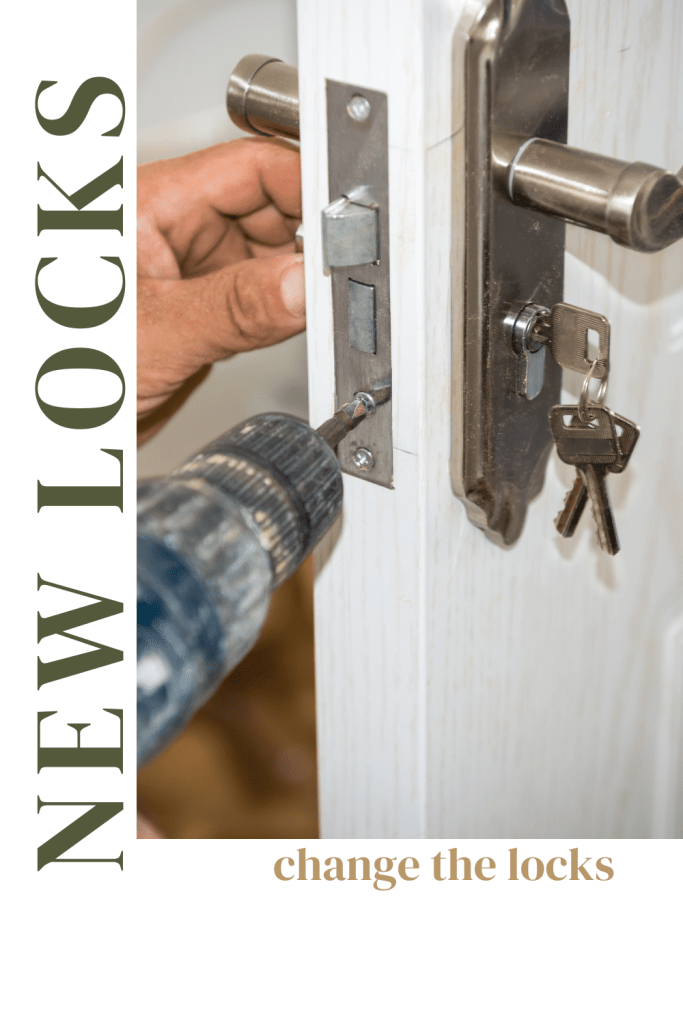
Change locks and security codes: For your peace of mind, replace the locks on all exterior doors and change any security codes for alarm systems. You never know who might have a copy of the old keys or codes.
Deep clean the house: Before unpacking your belongings, give the house a thorough cleaning. Scrub floors, wipe down surfaces, clean appliances, and wash the windows. This will make the space feel fresh and welcoming.
Paint and do minor repairs: If you plan to paint the walls or do any minor repairs, it’s easier to do so before moving in. This way, you won’t have to move furniture around or worry about protecting your belongings.
Set up utilities and services: Contact utility companies to ensure water, electricity, gas, and internet services are set up and ready before moving in. Also, schedule service providers like cable, internet, and telephone. Click Here
Measure and plan furniture placement: Measure the rooms and doorways to ensure your furniture will fit through them. Create a layout plan to know where each piece will go, making the unpacking process more efficient.
Change your address and notify important parties: Update your address with the post office, banks, credit card companies, insurance providers, and any other important organizations or subscriptions.
Update driver’s license and vehicle registration: If you’re moving to a new city or state, update your driver’s license and vehicle registration accordingly.
Set up a forwarding address: Arrange for mail forwarding from your old address to your new one. This will ensure you don’t miss any important mail during the transition.
Inform family and friends: Let your loved ones know about your new address and contact information, so they can stay in touch and visit you in your new home.
Learn about the neighborhood: Research the local amenities, schools, medical facilities, and nearby recreational areas. Familiarize yourself with the neighborhood to make the transition smoother.
Celebrate the new beginning: Moving into a new house is a significant milestone. Take some time to celebrate with your family and friends and enjoy the excitement of your new home.
By following these steps, you’ll be well-prepared and can enjoy the process of settling into your new home with ease.
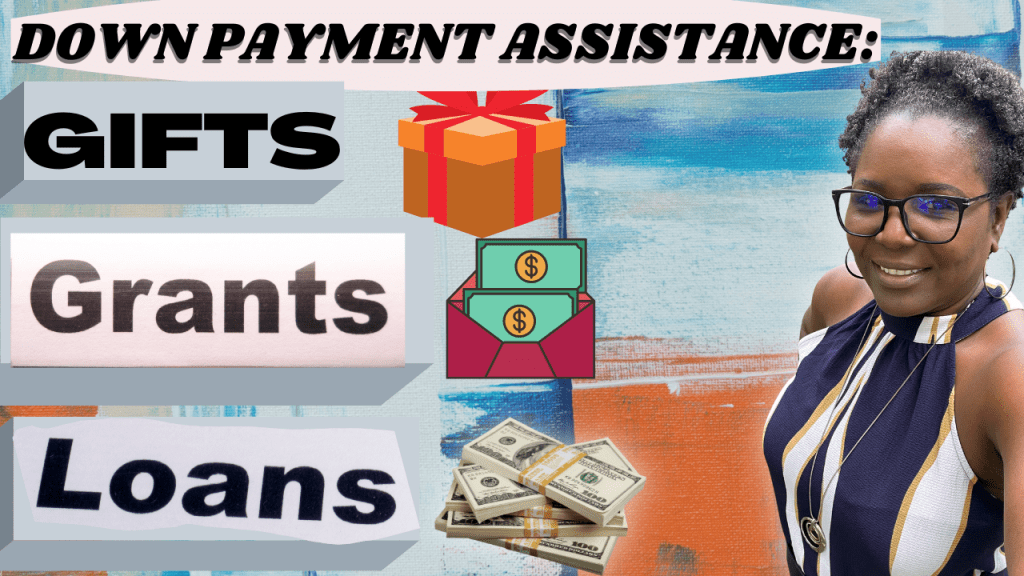
Finding down payment assistance to buy your first house can be a great way to overcome the financial hurdle of saving for a down payment. Here are some steps to help you find down payment assistance programs:
Research Local Programs: Start by researching down payment assistance programs available in your city, county, or state. Many government agencies, nonprofits, and housing authorities offer such programs to help first-time homebuyers.
HUD’s Website: The U.S. Department of Housing and Urban Development (HUD) provides information about various homeownership assistance programs on their website. Check out their resources to find programs that may be available in your area.
State Housing Finance Agency: Many states have housing finance agencies that offer down payment assistance and other homebuyer assistance programs. Look for the website of your state’s housing finance agency to see what programs they offer.
Consult with Lenders: Speak with different mortgage lenders and ask about any down payment assistance programs they work with. Some lenders may have partnerships with local or state programs that can help you.
Nonprofit Organizations: Some nonprofit organizations, such as Habitat for Humanity, provide homeownership opportunities and assistance for first-time buyers. Look for local chapters or organizations that may offer such services.
Employer Programs: Some employers offer homebuyer assistance or down payment assistance programs as part of their benefits packages. Check with your HR department to see if such programs are available to you.
Attend Homebuyer Education Workshops: Some down payment assistance programs require homebuyer education courses. These workshops can also provide valuable information about the homebuying process and financial management.
Income and Eligibility Criteria: Keep in mind that down payment assistance programs often have specific income and eligibility criteria. Make sure to review the requirements of each program to see if you qualify.
Research Grants and Gifts: There are certain grants and gift programs that can be used for down payments. Some may be provided by family members or other sources, but be sure to check with your lender about the guidelines for using gifted funds.
Work with a Real Estate Agent: Enlist the help of a real estate agent who has experience working with first-time homebuyers and is familiar with local down payment assistance programs. They can guide you through the process and connect you with relevant resources.
Remember that down payment assistance programs can have varying terms and conditions, so it’s crucial to review the details of each program carefully. Additionally, some programs may have limited funding and availability, so it’s best to start your search early and be prepared to meet any application deadlines.














 The Homebuyer Mentor