

Buying a home is an exciting and often stressful process, especially when you get close to the finish line — the closing. However, while everyone wants a smooth transaction, certain issues can delay the closing, pushing back the day you finally get the keys to your new home. Here are five common issues that could cause a delay and how to avoid them.
1. Unresolved Title Issues

The title to a property is a crucial piece of the real estate puzzle, as it proves the seller’s legal right to sell the home. Title issues can arise if there are:
- Unpaid property taxes or liens
- Disputes over property boundaries
- Claims of ownership from other parties, like long-lost heirs or ex-spouses
These problems can complicate the transfer of ownership. To avoid this, a title search is typically conducted early in the process. If any issues are uncovered, they need to be addressed and cleared before the closing. This may require legal intervention or negotiations, potentially leading to significant delays.
Tip: Work with a reputable title company and ensure a title search is conducted as soon as possible to identify any potential roadblocks.
2. Problems With the Home Appraisal
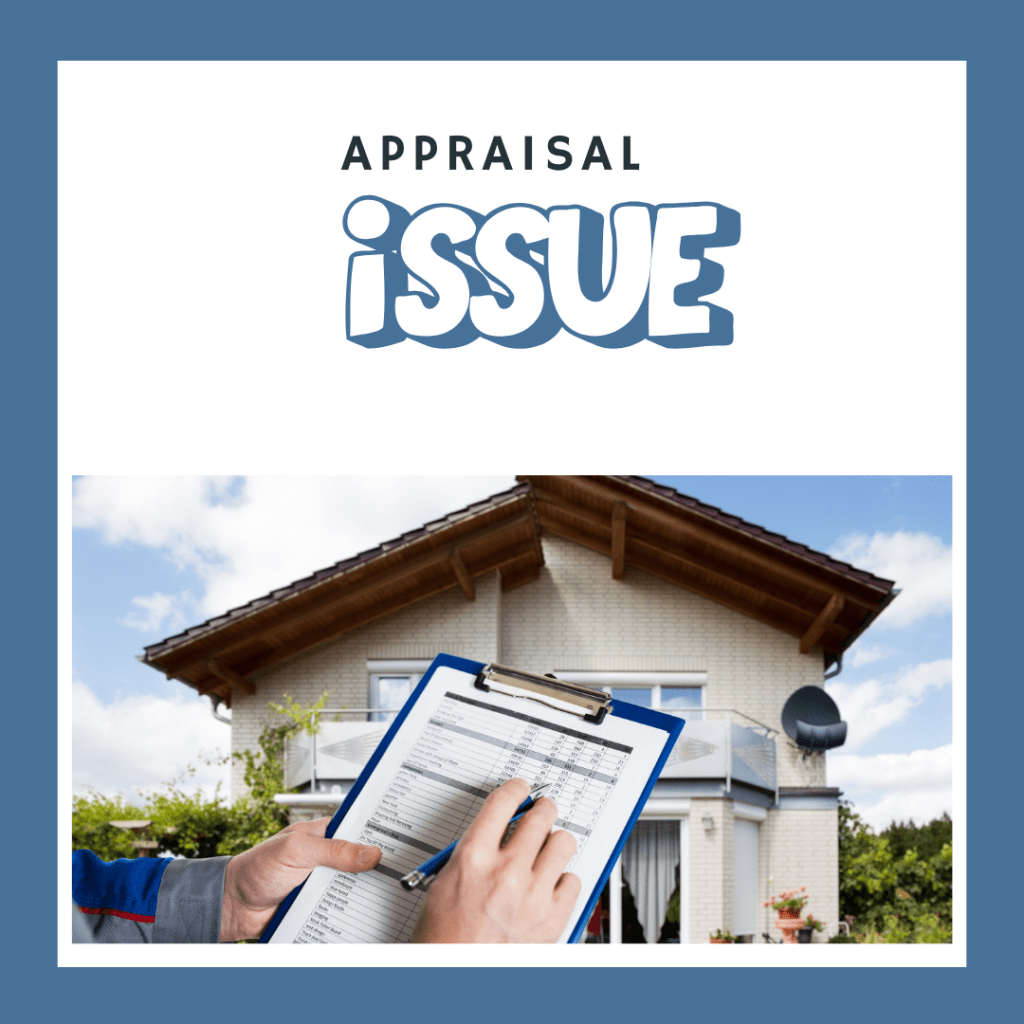
Most buyers who take out a mortgage must get an appraisal of the property. The lender wants to make sure that the house is worth the amount they’re loaning to you. If the appraisal comes in lower than the purchase price, the buyer may need to either:
- Negotiate with the seller to lower the price
- Pay the difference out of pocket
- Challenge the appraisal and request a re-evaluation
These scenarios can delay the closing as parties negotiate or take time to gather additional funds. If an agreement isn’t reached, the deal could fall apart entirely.
Tip: If you suspect the home’s price might be too high, ask for a preliminary appraisal early to avoid surprises.
3. Financing Problems
Mortgage approval isn’t guaranteed until the closing papers are signed. Even if a buyer is pre-approved, last-minute issues can crop up, such as:
- Changes in credit score due to recent purchases or financial mistakes
- Employment changes that affect income verification
- Problems with the loan underwriting process
Any of these issues can put the mortgage approval at risk, stalling the closing until they are resolved. Buyers should avoid making any big purchases, switching jobs, or opening new lines of credit while waiting for closing.
Tip: Stay in close contact with your lender, maintain your current financial situation, and promptly provide any requested documents to avoid last-minute mortgage issues.
4. Inspection-Related Negotiations

The home inspection is an essential part of the buying process, revealing any potential structural or maintenance issues with the property. If significant problems are discovered — such as a leaky roof, faulty wiring, or plumbing issues — buyers may want repairs or compensation, while sellers might resist.
These negotiations can drag on, especially if contractors need to provide quotes or the parties struggle to agree on repairs or price reductions. If no resolution is reached, it can cause the sale to fall through.
Tip: Ensure the inspection is scheduled as soon as possible, and be prepared for swift negotiations or compromises to prevent delays.
5. Closing Document Errors

Real estate transactions require a lot of paperwork, and errors or missing documents can cause significant closing delays. These issues might include:
- Incorrect names or addresses on contracts
- Missing signatures or initials on key documents
- Incomplete or inaccurate loan paperwork
Reviewing the documents well ahead of the closing can prevent this. Still, if any errors go unnoticed until the closing day, they may take time to fix, pushing back the completion date.
Tip: Work with an experienced real estate attorney or agent to review documents early and thoroughly, catching mistakes before they become a problem.
Conclusion
Closing delays are frustrating, but with the right preparation and proactive steps, you can minimize the chances of encountering them. By addressing title issues, preparing for the appraisal, maintaining your financial standing, negotiating inspection results, and double-checking all documents, you can help ensure that your real estate closing goes as smoothly as possible.
Delays don’t have to derail your home-buying process. With a little foresight, you can overcome these common hurdles and move into your dream home without unnecessary stress.
The Homebuyer Mentor, Turning Renters Into Homeowners


 The Homebuyer Mentor